
Categories
High Quality 3D Product Renders for Amazon
3D Product Renders for Amazon Listings: Image Sizes, Angles and What Actually Converts
Your Amazon listing goes live before the first production sample lands.
The photographer can’t shoot what doesn’t exist. So the listing launches with renders, or it launches with placeholders.
For ecommerce managers, that’s not a creative problem. It’s a conversion problem.
This is where 3D product renders for Amazon become essential: they let you launch faster, stay compliant with Amazon requirements, and build listings that actually convert.
Amazon’s Image Requirements in 2026
Amazon is strict about image formatting, and compliance directly impacts visibility and conversion.
Key requirements:
- Minimum size: 1000px (zoom enabled)
- Recommended: 2000–3000px square (best for clarity)
- Format: JPEG
- Background: Pure white for main image (#FFFFFF)
- Product coverage: ~85% of frame
- No text or graphics on main image
The main image is your click driver. If it’s unclear at thumbnail size, you lose traffic before the listing even loads.
3D renders help ecommerce teams hit these specs consistently across every SKU, variant, and marketplace without reshooting.
The 7 Angles Every Amazon Listing Needs
High-converting listings don’t rely on one good image. They use a complete visual set.
1. Hero front view
Clean, centered, and compliant. This is your search result thumbnail asset.
2. Three-quarter angle
The most important secondary shot. Shows depth, proportion, and real product form.
3. Side profile
Clarifies thickness, height, and footprint — critical for reducing uncertainty.
4. Rear view
Builds trust by showing full product transparency (ports, labels, structure).
5. Detail close-up
Highlights materials, textures, buttons, stitching, or finish quality.
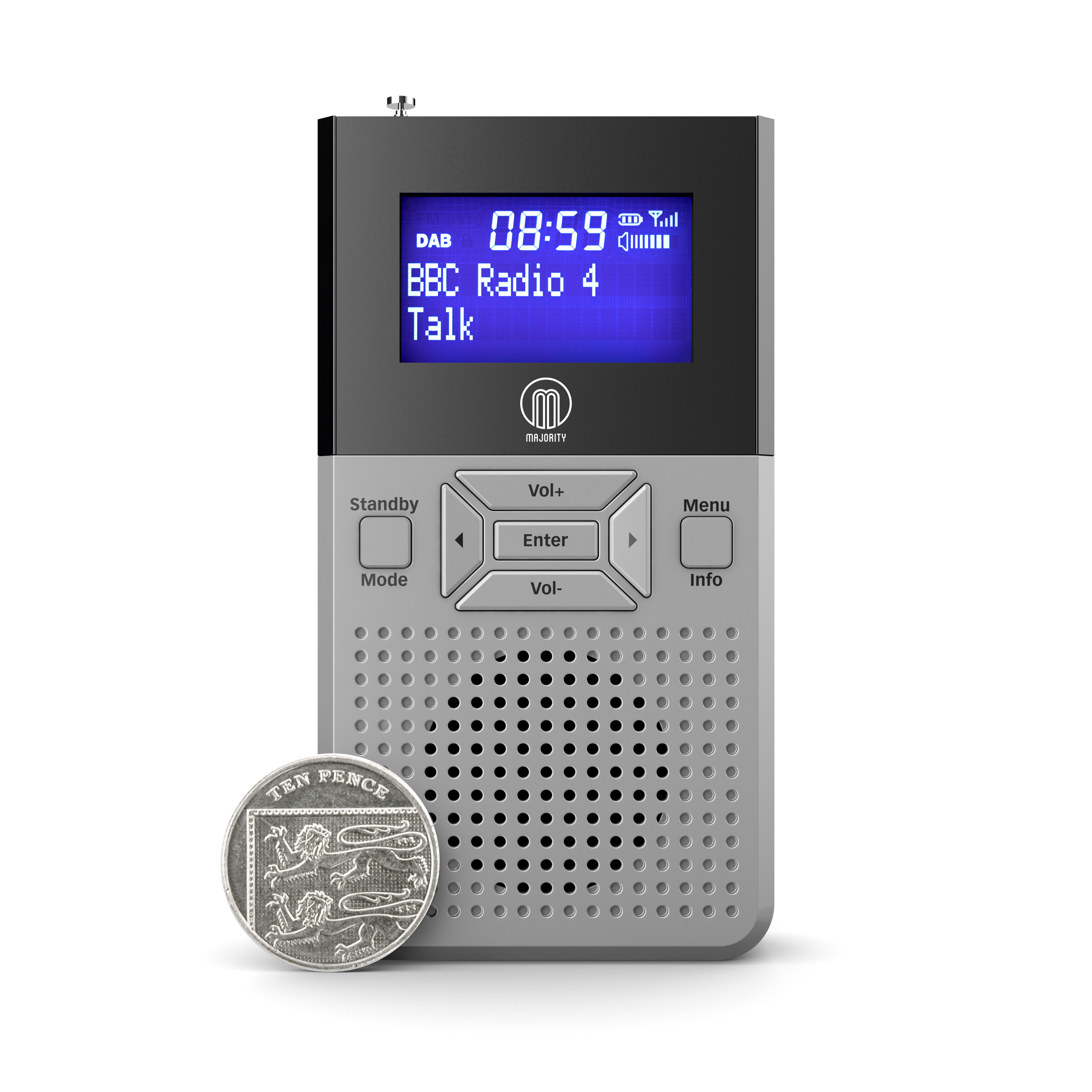
6. Scale shot
Shows real-world size using hands, environments, or comparative objects.
7. Feature breakdown / exploded view
Explains engineering, internal structure, or key components visually.
Together, these angles remove guesswork — and guesswork kills conversions.
Why CGI Beats Sample Photography on Amazon
For ecommerce managers, speed and flexibility matter more than traditional production workflows.
1. Launch before samples exist
CGI allows listings to go live before manufacturing is complete. Photography can’t do that.
2. Faster revisions
Need a colour change, packaging update, or design tweak? CGI updates are instant — no reshoots.
3. Consistency across SKUs
Photography often varies by lighting, studio, or photographer. CGI ensures every product looks like part of one system.
4. Better control of detail
Materials, reflections, and product precision can be controlled at pixel level, improving perceived quality.
5. Scalable for catalogues
Once a 3D model exists, you can generate unlimited angles, variants, and marketplace assets without restarting production.
For multi-product Amazon brands, this scalability is a major cost and time advantage.
A Typical CGI Workflow for an Amazon Launch
A well-structured CGI pipeline makes Amazon launches predictable and fast.
Step 1: Asset collection
CAD files, sketches, packaging designs, and material references are gathered.
Step 2: 3D Asset creation
The product is built, CAD cleaned for rendering accuracy.
Step 3: Material and lighting setup
Surfaces, finishes, and lighting are tuned to match real-world expectations.
Step 4: Amazon image production
The full set is created:
- Hero image
- Angles (front, side, rear, 3/4)
- Close-ups
- Lifestyle visuals
- Infographics and feature callouts
All exported to Amazon-ready dimensions.
Step 5: Iteration and rollout
Because the model is reusable, teams can quickly generate updates for new SKUs, regions, or packaging changes.
What Actually Converts on Amazon?
Conversion isn’t driven by creativity alone — it’s driven by clarity.
High-performing listings consistently:
- Show product shape instantly
- Communicate size clearly
- Highlight material quality
- Reduce uncertainty at every step
That’s why structured, multi-angle visual systems outperform single photography shots.
3D product renders for Amazon give ecommerce teams control over every part of that system — from first click to final purchase.
Brief us on your next Amazon launch → /contact-us/